


Green Campus Initiatives have led to the adoption of environmentally sustainable practices within the institution. These initiatives aim at reducing the ecological footprint and promoting sustainability which not only help in mitigating environmental impact but also provide students, faculty, and staff with an opportunity to engage in practices that foster a culture of environmental responsibility. Green spaces and healthier campus environments (Eat Right Campus) contribute to the physical and mental well-being of students and staff. Hosting sustainability-focused events have helped raise awareness about the importance of environmental conservation and immersed the campus community in green initiatives. The institutional environment and energy initiatives are confirmed through Green audit, Energy audit, Environment audit, clean and green campus recognitions/awards and beyond the campus environmental promotional activities.
Green Initiatives
Green Initiatives
Green Initiatives
Green Initiatives
Green Initiatives
Green Initiatives

Green Initiatives
Green Initiatives
Green Initiatives
Green Initiatives
Green Initiatives
Green Initiatives
Green Initiatives
Green Initiatives
Green Initiatives
- Restricted entry of automobiles
- Use of Bicycles/ Battery powered vehicles
- Pedestrian Friendly pathways
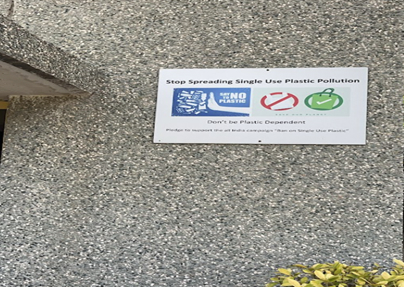
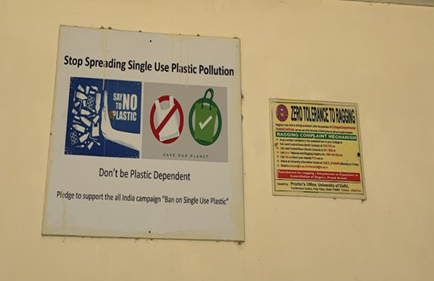
- Ban on use of Plastic
- landscaping with trees and plants
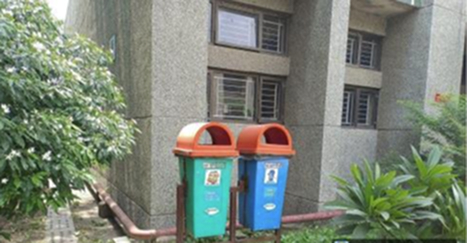
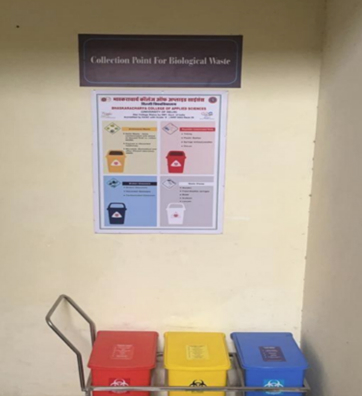
- Placing of color coded dustbins at various places for segregation of waste.
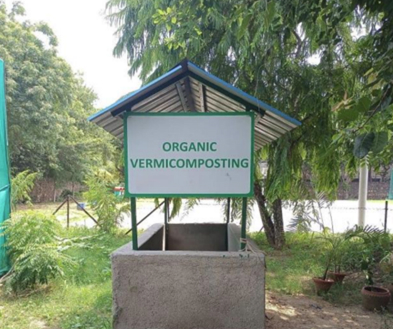
- Vermicompost pit
- Herbal Garden
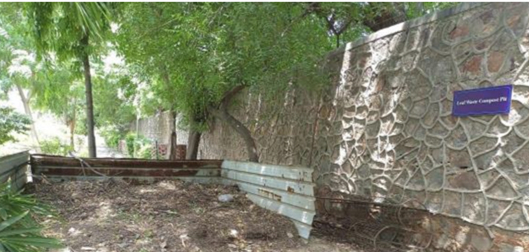
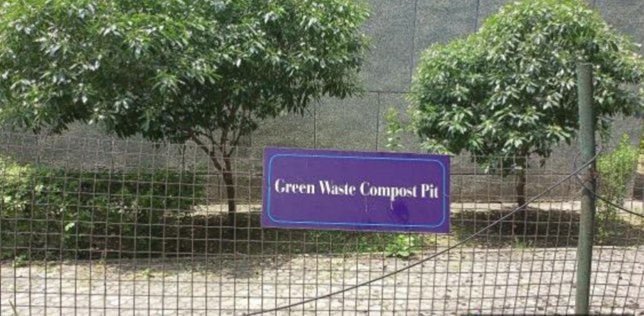
- Leaf waste compost pit
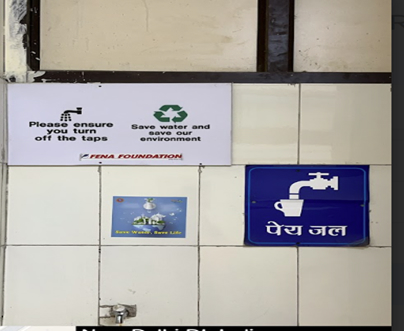
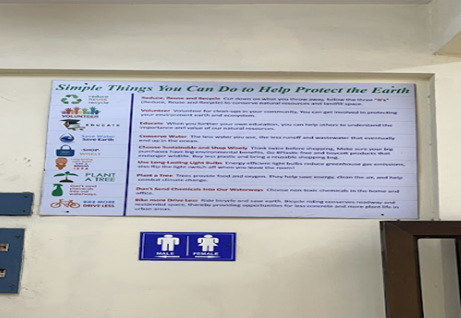
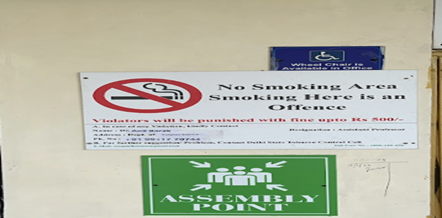
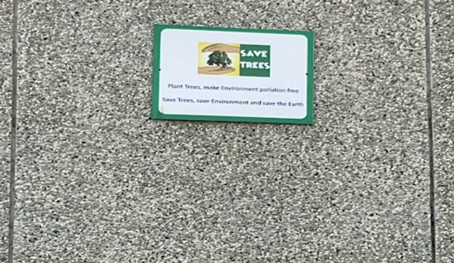
- Signages at various places
- Use of steel utensils in canteen
- Landscaping with trees and plants and pedestrian friendly pathways.
- Instruments installed in the college for the UV-radiation Monitoring Program for Climate and Health studies (with support and collaboration with Earth and Climate Studies Area, National Remote Sensing Centre (NRSC), Hyderabad, Department of Space, ISRO, Govt of India).
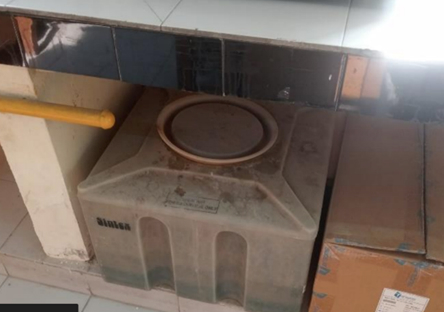
- Rain water harvesting
- Bore well /Open well recharge
- Construction of tanks and bunds
- Waste water recycling
- Maintenance of water bodies and distribution system in the campus
- Solar energy
- Biogas plant
- Wheeling to the Grid
- Sensor-based energy conservation
- Use of LED bulbs/ power efficient equipment
- Solid waste management
- Liquid waste management
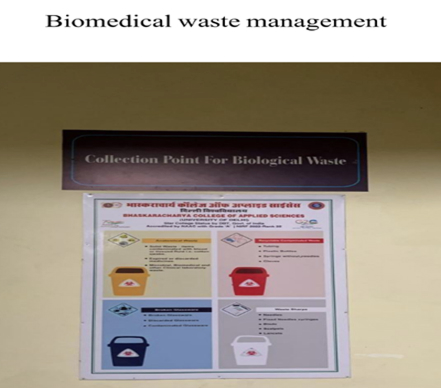
- Biomedical waste management
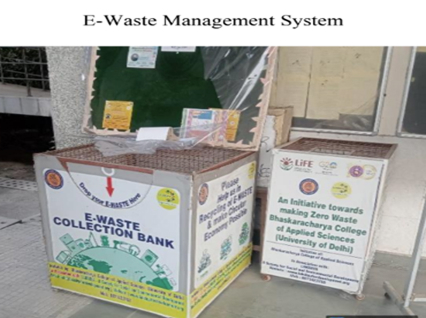
- E-waste management
- Waste recycling system
- Hazardous chemicals and radioactive waste management.